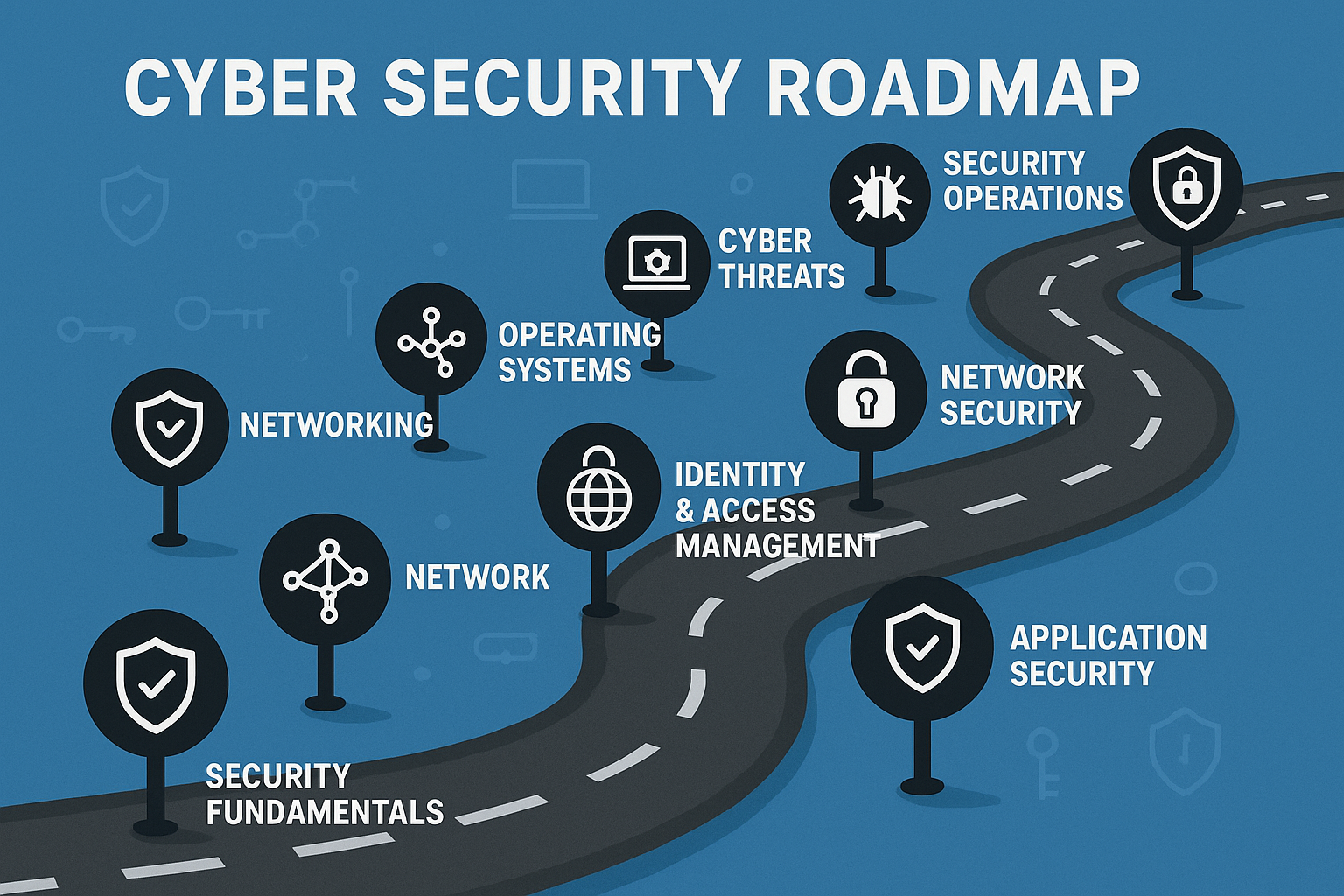
What is Ethical Hacking?
Ethical hacking — also known as penetration testing or white-hat hacking — is the authorized practice of probing computer systems, networks, and applications for security vulnerabilities. Unlike malicious hackers, ethical hackers operate with explicit permission, follow a structured methodology, and report their findings to help organizations strengthen their defenses.
In an era where cybercrime damages are projected to reach $10.5 trillion annually by 2025, skilled penetration testers are among the most sought-after professionals in the technology industry. This guide provides a comprehensive overview of the penetration testing methodology and pathways into the field.
The Penetration Testing Methodology
Reconnaissance & OSINT
The foundation of every engagement. Passive reconnaissance involves gathering publicly available intelligence — DNS records, WHOIS data, social media profiles, employee information, technology stacks, and leaked credentials from breach databases. Active reconnaissance uses tools like Nmap to map network topology, discover live hosts, and fingerprint services. The quality of your reconnaissance directly determines the success of subsequent phases.
Scanning & Enumeration
Systematic probing of discovered assets to identify exploitable weaknesses. Vulnerability scanners like Nessus and OpenVAS automate the detection of known CVEs, misconfigurations, and outdated software. Enumeration goes deeper — extracting usernames, group memberships, network shares, SNMP data, and service banners that reveal attack opportunities invisible to automated tools.
Exploitation
The controlled execution of attacks against identified vulnerabilities to prove their exploitability. Using frameworks like Metasploit, custom scripts, and manual techniques, testers attempt to gain unauthorized access, escalate privileges, and demonstrate real-world impact. Every exploitation attempt is carefully documented with timestamps, tools used, and evidence screenshots.
Post-Exploitation & Pivoting
After gaining initial access, testers assess the true depth of compromise. This phase involves privilege escalation, lateral movement to adjacent systems, data exfiltration simulation, and persistence mechanism testing. The goal is to demonstrate what a real attacker could achieve and how far they could penetrate from a single entry point.
Reporting & Remediation
The most critical deliverable. A professional penetration test report includes an executive summary for leadership, detailed technical findings with CVSS scores, step-by-step reproduction instructions, evidence (screenshots, logs, PoC code), and prioritized remediation recommendations with both quick wins and long-term strategic improvements.
Essential Penetration Testing Arsenal
Metasploit Framework
Industry-standard exploitation framework with 2000+ exploits
Burp Suite Professional
Premier web application security testing platform
Wireshark
Deep packet inspection and network traffic analysis
Nmap
Network discovery, port scanning, and service detection
John the Ripper / Hashcat
Password cracking and hash analysis engines
Kali Linux
Purpose-built pentesting OS with 600+ pre-installed tools
Starting Your Career in Offensive Security
Master Networking & Operating Systems
Build deep understanding of TCP/IP, DNS, HTTP/S, Active Directory, Linux internals, and Windows architecture. These fundamentals are the bedrock of every penetration test — without them, tools are just black boxes.
Study Common Vulnerability Classes
Go beyond surface-level understanding of SQLi and XSS. Study buffer overflows, race conditions, deserialization attacks, SSRF, and authentication bypass techniques. Use OWASP and MITRE ATT&CK as your reference frameworks.
Build a Practice Lab
Set up a virtualized lab with intentionally vulnerable machines — DVWA, HackTheBox, TryHackMe, VulnHub, and PortSwigger Web Security Academy. Document every machine you root as portfolio evidence.
Earn Industry Certifications
Start with eJPT or CompTIA Security+, progress to OSCP (the gold standard for penetration testers), and consider CRTP, GPEN, or OSWE for specialization. Certifications validate your skills and open doors to enterprise clients.
The Road Ahead
Ethical hacking is one of the most intellectually rewarding and impactful career paths in technology. It demands curiosity, persistence, continuous learning, and an unwavering ethical compass. Every vulnerability you discover and every system you help secure contributes to a safer digital world for everyone. Start your journey today — the cybersecurity community needs you.